Tips for Creating a Relaxing Home Workspace to Boost Productivity
Creating a relaxing home workspace is essential for maintaining productivity and a healthy work-life balance. Whether you work remotely full-time or occasionally need a quiet place to focus, a thoughtfully designed workspace can help reduce stress and keep you motivated. This post will guide you through practical tips to make your home office both calming and efficient.
Why a Relaxing Workspace Matters
A workspace that feels comfortable and inviting encourages you to stay focused and energized. When your environment is cluttered, noisy, or uninspiring, it can lead to distractions, fatigue, and lower productivity. On the other hand, a space tailored to your needs promotes better concentration and job satisfaction.
Choose the Right Location
Your workspace location sets the foundation for relaxation and productivity.
– Natural Light: If possible, set up your desk near a window to enjoy natural daylight. It helps regulate your circadian rhythm and improves mood.
– Away from Noise: Select a quiet corner or room where interruptions are minimal.
– Separate from Rest Areas: Avoid working from your bedroom or couch to maintain a boundary between work and rest.
Organize and Declutter
A clutter-free space supports a clear mind.
– Minimalist Setup: Keep only essential items on your desk to avoid visual distractions.
– Storage Solutions: Use shelves, drawers, or organizers to store documents and supplies out of sight.
– Regular Cleaning: Make tidying up a daily habit to maintain order.
Choose Comfortable and Supportive Furniture
Physical comfort is key to staying productive and relaxed.
– Ergonomic Chair: Invest in a chair that supports good posture and reduces strain.
– Adjustable Desk: Consider a desk with adjustable height to alternate between sitting and standing.
– Desk Accessories: Use a keyboard tray or monitor stand to align your devices ergonomically.
Personalize Your Space Thoughtfully
Adding elements that make you feel calm and inspired helps improve focus.
– Colors: Choose calming colors like soft blues, greens, or neutral tones.
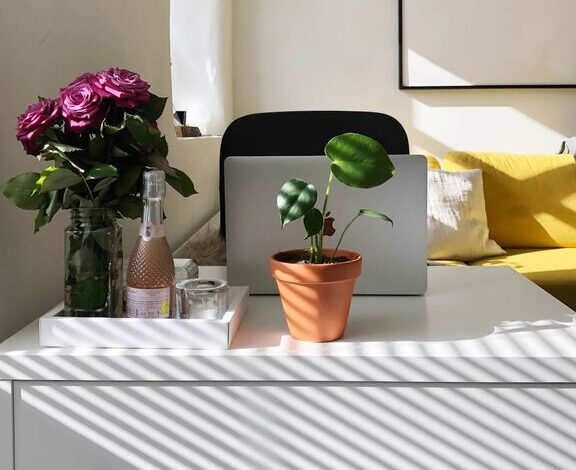
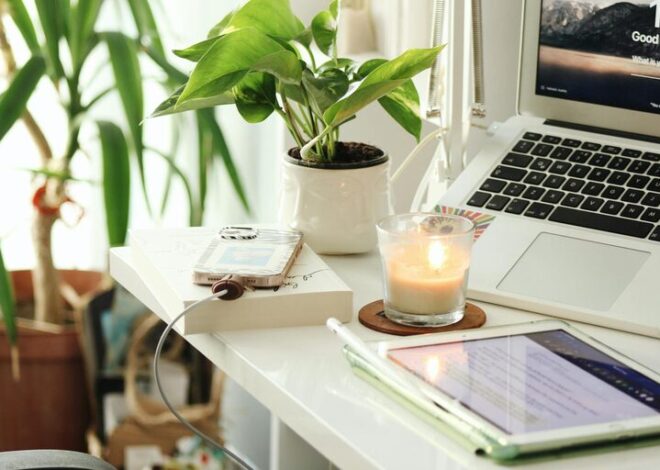
– Plants: Incorporate indoor plants to bring nature indoors and improve air quality.
– Artwork and Photos: Display art or photos that uplift your mood without cluttering the space.
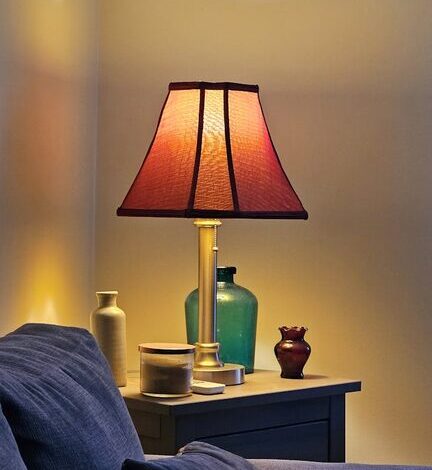
– Lighting: Use a combination of natural light and soft artificial light to reduce eye strain.
Manage Technology for Efficiency
Technology should aid, not hinder, your workflow.
– Cable Management: Use cable organizers to keep cords tidy and out of sight.
– Quality Equipment: Invest in a reliable computer, keyboard, and mouse to avoid technical frustrations.
– Notifications: Limit unnecessary alerts and use focus modes to minimize distractions.
Develop a Routine That Supports Relaxation
How you use your workspace is as important as its design.
– Set Work Hours: Having regular work hours helps set clear boundaries.
– Breaks: Take short breaks to stretch, hydrate, or practice deep breathing.
– Mindfulness: Start your day with a few moments of mindfulness to center your mind.
Incorporate Sound Control
Noise can be a big distraction, but there are ways to create a peaceful auditory environment.
– Noise-Canceling Headphones: Great for blocking out background noise, especially in shared spaces.
– Ambient Sounds: Consider playing soft instrumental music, white noise, or nature sounds to improve focus.
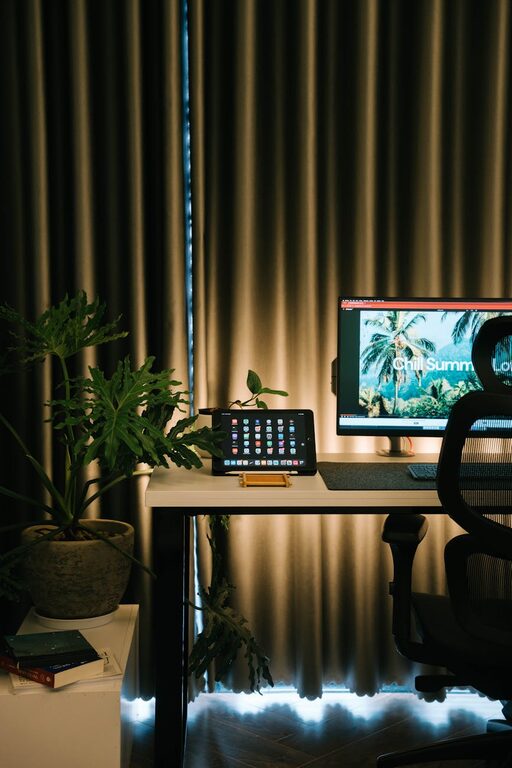
– Soundproofing: Use rugs, curtains, or sound-absorbing panels if noise is a recurring problem.
Keep Hydrated and Snack Smartly
Your physical well-being supports mental clarity.
– Water Bottle: Keep a water bottle nearby to remind you to stay hydrated.
– Healthy Snacks: Choose nutritious snacks like nuts or fruit to sustain energy without sugar crashes.
Evaluate and Adjust Regularly
Your needs may change, so reassess your workspace from time to time.
– Comfort Checks: Notice any physical discomfort or distractions and adjust accordingly.
– Seasonal Changes: Adapt lighting and temperature controls to suit seasonal variations.
– New Tools: Be open to adding tools or decor that can improve comfort or efficiency.
—
By following these tips, you can create a home workspace that feels relaxed and inviting—helping you maintain focus and boost your productivity. Remember, the best workspace is one that suits your personal preferences and works well with your daily routine. Start small and gradually make changes until you find the perfect balance.