Tips for Creating a Productive Home Office Environment
Creating a productive home office environment is essential for anyone working remotely or managing tasks from home. A well-designed workspace can boost concentration, reduce distractions, and increase overall satisfaction with your workday. Whether you’re new to working from home or looking to optimize your current setup, here are some practical tips to help you create an efficient and comfortable home office.
Choose the Right Location
The first step in setting up a productive home office is selecting a suitable location. Ideally, this should be a quiet area with minimal foot traffic and distractions. If possible, use a separate room rather than a corner of your living room or bedroom. Having a dedicated space for work helps your mind switch into “work mode” and separates professional life from personal life.
Consider natural light when picking your spot. Daylight can improve your mood and reduce eye strain. Position your desk near a window to benefit from this, but be mindful of glare on your computer screen.
Invest in Comfortable and Functional Furniture
Ergonomics play a critical role in productivity and health. Choose a desk and chair that support good posture. Your chair should have adjustable height, lumbar support, and enough cushioning to keep you comfortable throughout the day. Your desk should be at a height that allows your arms to rest naturally while typing.
In addition to seating and desk space, consider storage options. Shelves, drawers, and organizers help keep your workspace tidy and free from clutter. A well-organized office reduces stress and saves time when looking for documents or supplies.
Optimize Your Technology Setup
Reliable technology is fundamental for remote work. Make sure your computer, printer, and other devices are up to date and functioning well. A fast and stable internet connection is also essential for video meetings and large file transfers.
Consider investing in accessories that enhance productivity, such as a second monitor, wireless keyboard and mouse, or noise-cancelling headphones. These tools can make your workflow smoother and improve comfort.
Minimize Distractions
Distractions can quickly derail focus. To minimize interruptions, communicate your work hours to family or housemates. Use noise-cancelling headphones or play background music if that helps you concentrate.
Turn off non-essential notifications on your devices and use apps or settings that block distracting websites during working hours. Maintaining clear boundaries between work and leisure time helps you stay focused and productive.
Personalize Your Workspace
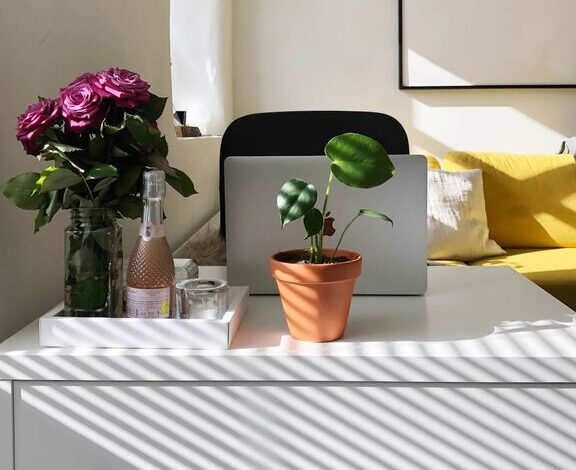
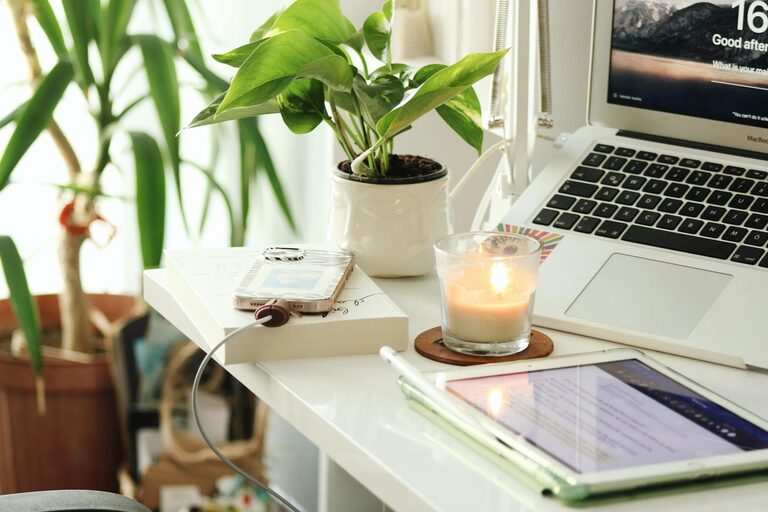
Adding personal touches to your office creates a welcoming atmosphere that encourages creativity and motivation. Display a few items that make you feel happy or inspired, such as photos, plants, or artwork.
Plants, in particular, are known to improve air quality and reduce stress. A touch of greenery can make your workspace feel more relaxing and inviting.
Establish a Daily Routine
Consistency promotes productivity. Set regular work hours and stick to them. Begin your day with a morning routine that prepares you mentally and physically for work, such as morning stretches, a healthy breakfast, or a quick review of your daily tasks.
Take regular breaks throughout the day to stretch and rest your eyes. Following structured work periods with breaks improves concentration and reduces fatigue.
Keep Your Workspace Clean and Organized
A cluttered desk can contribute to a cluttered mind. Dedicate time at the end of each day to tidy your workspace. Organize cables, files, and supplies so they are easy to find.
Using labels, trays, or drawer dividers can help keep everything in its place. A clean environment enhances focus and makes starting work more enjoyable.
Use Proper Lighting
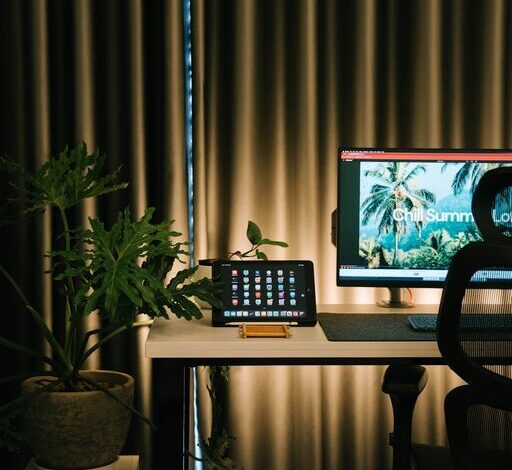
Good lighting is crucial for reducing eye strain and maintaining energy. In addition to natural light, use adjustable task lighting to illuminate your work area. Avoid harsh overhead lights that produce glare or shadows.
Warm, soft lighting tends to be more comfortable during long periods of computer work. Consider an adjustable desk lamp that allows you to control brightness and direction.
—
Creating a productive home office environment is about balancing comfort, functionality, and personal preferences. By choosing the right location, investing in ergonomic furniture, optimizing technology, minimizing distractions, and maintaining organization, you can set up a workspace that supports your best work. Remember to personalize your office and establish routines that promote focus and well-being. With these tips, your home office will be a place where productivity and comfort come together.